
Looking ahead, stakeholders will need to bolster outreach efforts, dismantle stigma within military and veteran cultures, and coordinate services that address the multifaceted needs of those in crisis. By applying the lessons gleaned from these statistics, communities can work together to transform the challenges of addiction into stories of resilience and renewal. Neuroimaging procedures are conducted after randomization and in week drug addiction 14, the last week of treatment. One transcranial magnetic stimulation with electroencephalogram recording is also taken at week 7. Under the guidance of Charles R. Marmar, MD, center director, our researchers use advanced and novel computational methods, biomarker analysis, and imaging approaches to further their knowledge. The center was established in 2019 thanks to a generous five-year grant from the National Institute on Alcohol Abuse and Alcoholism of the National Institutes of Health.
- For example, in a study of Veterans from Iraq and Afghanistan it was found that among those with a lifetime diagnosis of PTSD, 34.2% of men also had an AUD, and 17.3% had a SUD (4).
- For additional review of the two papers addressing behavioral and pharmacological treatments for comorbid SUD and PTSD, refer to Norman and Hamblen (2017).
- For instance, chronic stress and trauma can heighten the reactivity of the amygdala, a brain region critical for fear responses, while diminishing the activity of the prefrontal cortex responsible for impulse control and emotional regulation.
- This period can be fraught with psychological and emotional challenges, leading some veterans to turn to substance abuse.
Treatment Must Address Both PTSD and Drinking.
By acknowledging the intricate relationship between mental health and alcoholism, individuals and caregivers can take informed steps toward sustainable recovery. Studies that compare other outcomes related to treatment retention and symptom improvement, such as sleep, mood symptoms, somatic medical conditions, and safety profiles (including violence and suicidality), would also be helpful. The literature currently lacks studies that examine the association between premorbid functioning and the ability to engage in manual-guided, evidence-supported therapies. Also needed is examination of how adding PTSD-focused treatment to AUD treatment will be https://raleighmorningjournal.com/alcoholic-ketoacidosis-etiologies-evaluation-and/ feasible in terms of treatment costs, training requirements, and staff workload.
Cannabidiol as a Treatment for Alcohol Use Disorder Comorbid with Post-Traumatic Stress Disorder

Cognitive Behavioral Therapy (CBT) is commonly used to help patients reframe negative thought patterns and develop healthier coping mechanisms. By integrating treatment approaches that address both PTSD and alcoholism, individuals can work towards healing and recovery from both disorders simultaneously. This comprehensive approach enhances the chances of long-term success and helps individuals regain control over their lives.
What Is the Success Rate of Alcohol Rehab?
Second, chronic stimulation of opioid receptors leads to an increase in an opposing system that has anti-opioidlike effects. Over time, the opposing system gets stronger and this leads to a lessening or habituation of the endorphin system. But when the trauma is over, the net result is a deficit in endorphin functioning and a resultant endorphin withdrawal. At the beginning of the pandemic, we also examined patient outcomes as we transitioned to virtual care.
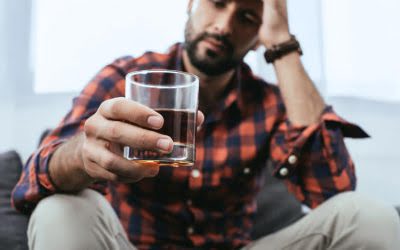
PTSD And Alcoholism
This data reinforces the urgent need for comprehensive interventions to address both PTSD and SUD, paving the way for more effective mental health care solutions. The first step is to talk with a healthcare provider and ask for more information about treatment options. Each VA Medical Center has an SUD-PTSD Specialist trained in treating both conditions to reach the best health outcomes. If there are signs you are at risk for both conditions, you will be encouraged to talk with a healthcare provider about how to best support your recovery. They must consider the fact that a patient presenting with PTSD may be drinking excessively.
The COPE model exemplifies this approach, effectively reducing symptoms of both disorders. Antidepressants like sertraline are FDA-approved for PTSD and may help reduce symptoms. Medications for addiction, including disulfiram, naltrexone, and acamprosate, ptsd and alcohol abuse are used to decrease cravings and prevent relapse, especially when combined with therapy. Understanding these shared neurobiological pathways is essential for developing targeted treatments. Therapeutic strategies may aim to normalize circuit activity, reestablish chemical balance, and improve adaptive emotion regulation, thereby reducing reliance on substances for relief and improving recovery prospects.
Co-Occurring Disorders

The consequences of this overlap reinforce the need for integrated treatment approaches that address both conditions simultaneously to improve overall recovery outcomes. Over the past few decades, important advances have been made in behavioral treatments for comorbid AUD and PTSD. The most notable area of progress is the development of trauma-informed, manual-guided, integrated, cognitive behavioral treatments that concurrently address symptoms of both conditions. Before these developments, sequential treatment was the only form of behavioral intervention employed. Now, individuals with comorbid AUD and PTSD, as well as their health care providers, have additional treatment options available. This may include family members, friends, support groups, and mental health professionals.
- Aftercare plans are crucial for helping you address triggers and figure out strategies for managing stress.
- The cyclical relationship between trauma and addiction is marked by a complex interplay where trauma increases the likelihood of developing substance use disorders.
- The constant reexperiencing of the PTSD symptoms causes an initial increase in endorphin activity followed by a rebound withdrawal.
Factors Shaping Addiction Prevalence and Rehab Success
Since the late 1970s, several U.S. surveys have collected information on mental health conditions, including AUD, SUD, and PTSD. These surveys include the Epidemiological Catchment Area (ECA) program, the National Comorbidity Survey (NCS), and the National Epidemiologic Survey on Alcohol and Related Conditions (NESARC). The presence of two to three symptoms indicates mild AUD, four to five symptoms indicate moderate AUD, and six or more symptoms indicate severe AUD. PTSD and SUDs are complex disorders that often co-occur and significantly impact an individual’s well-being. With the right support, resources, and early intervention, individuals can manage these conditions and lead fulfilling lives.